
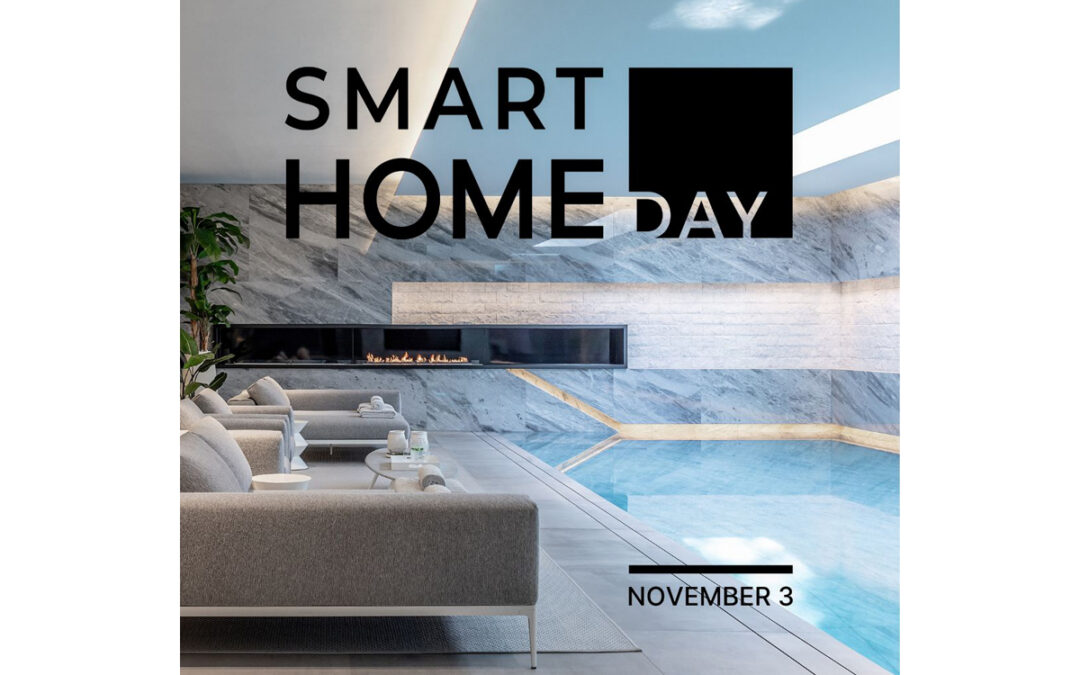
We can show a homeowner a beautifully finished room and still leave them wondering how it will feel to live there. Where does the afternoon sun land? What happens when friends come over? Can the room shift from quiet conversation to movie night without a lesson in operating the house?
These are useful starting points for a technology conversation. They give integrators, interior designers, architects and builders something to work toward together. They also give homeowners a reason to care about decisions that might otherwise sound like another round of equipment selections.
At KMB Communications, we believe the industry has an opportunity to make those conversations more approachable. That begins with showing people possibilities in the context of their own lives, then explaining the planning and professional expertise required to bring them home.
Make the first conversation easier
The St. Louis-based firm Integration Controls offers one example with its “Shop the Look,” its digital planning experience. Homeowners and design/build professionals can explore curated technology tiers, interior styles and investment levels before a consultation. The resource makes lighting, entertainment and outdoor possibilities easier to discuss together.
We see value in that starting point. A client who can describe a preferred atmosphere or experience gives the project team something more useful than a vague request for a smart home. The next conversation can explore priorities, practical constraints and the decisions that need attention first.
That does not make a photograph a system design or a preliminary investment level a final proposal. It creates an opening for the questions that help the team develop both.
We can also ask what clients would prefer to leave alone. A familiar physical control, a favorite listening routine or a view they love may be as important to the plan as the new capabilities they hope to add.
Give collaboration a place on the plans
Another example is Nerve’s Pinnacle 2 project in Utah that shows how much can depend on those early conversations. The 18,000-square-foot residence brings together more than 770 connected devices, yet the homeowners wanted technology to support their routines without demanding constant interaction.
To make this smart home integration possible, Nerve worked alongside the architect during the design phase, as well as the interior designer, lighting designer, builder, structural engineers, and other specialty trades. The home’s 167 windows included curved, canted and trapezoidal openings, presenting challenges that could not be resolved through fabric selection alone.
Custom recessed shade pockets had to be coordinated with ceilings and structural elements. More than 130 individually engineered shade assemblies helped manage daylight, privacy and glare while preserving the architecture and views.
For us, that is a compelling way to explain the value of early integration. A homeowner may begin by asking for comfortable daylight and unobstructed views. Delivering that experience requires several professionals to agree on details well before installation. Showing a finished space should lead naturally to a discussion about when those professionals need to be involved.
Tell the story behind the finished room
The same approach matters in a renovation, where existing construction can dictate what is practical. In Melbourne Australia, Michael Daly and the Wired By MJD team returned to a Victorian mansion six years after completing its original smart home installation. An extensive renovation included a dramatic reworking of the Great Room.
The homeowners’ plans brought together architectural lighting, distributed audio, surround sound, an existing 85-inch display and integrated controls. Behind those experiences sat a demanding infrastructure project. Multiple roof spaces complicated cable routing, and some runs extended as far as 80 meters from the equipment rack.
Wired By MJD used Kordz connectivity across network, HDMI, speaker and KNX control applications. The team also added prewire pathways to accommodate later expansion. Those provisions gave future changes a place in the renovation plan while access was available.
We should make room for this part of the story when presenting beautiful projects. Clients do not need every cable specification in the opening conversation. They do need to understand why connectivity, access and installation planning belong in the budget. These details help the finished room deliver the experience that inspired them.
Let experience inform the next decision
Using Nerve’s Pinnacle 2 as a case study, the installation also illustrates why demonstrations matter. During construction, the homeowners experienced Nerve’s reference cinema and chose to increase the ambitions for their own theater. That decision carried consequences for the room’s acoustic isolation, projector ventilation, seating and sightlines.
We can appreciate the excitement of that moment while recognizing the coordination it required. A meaningful demonstration should help clients understand what they want and give the team a chance to explain what achieving it will involve.
Whether the starting point is an online planning resource, a showroom visit or a completed case study, we should connect inspiration to a practical next step. Ask how the family uses the room. Identify the design details that need protection. Bring the relevant professionals into the discussion and establish what needs to happen before construction moves ahead.
Beautiful project photography opens the door. Clear explanations help homeowners walk through it with a better understanding of the work ahead. When we connect what people can picture with how they want to live, technology becomes a shared part of the design conversation. That gives the entire project team a stronger place to begin.
Go here to learn more about connected living and the CEDIA technology integration trade group’s Smart Home Day