
With topics like AI dominating the news, it is no wonder that a growing number of homeowners are looking to escape the tenacles of technology after sitting in front of a computer all week.
A recently developing trend in the home technology market is now finding a growing number of consumers taking action to put their iPhones down and walking away from their big-screen TVs to step back into a world that more closely resembles 1976 instead of 2026.
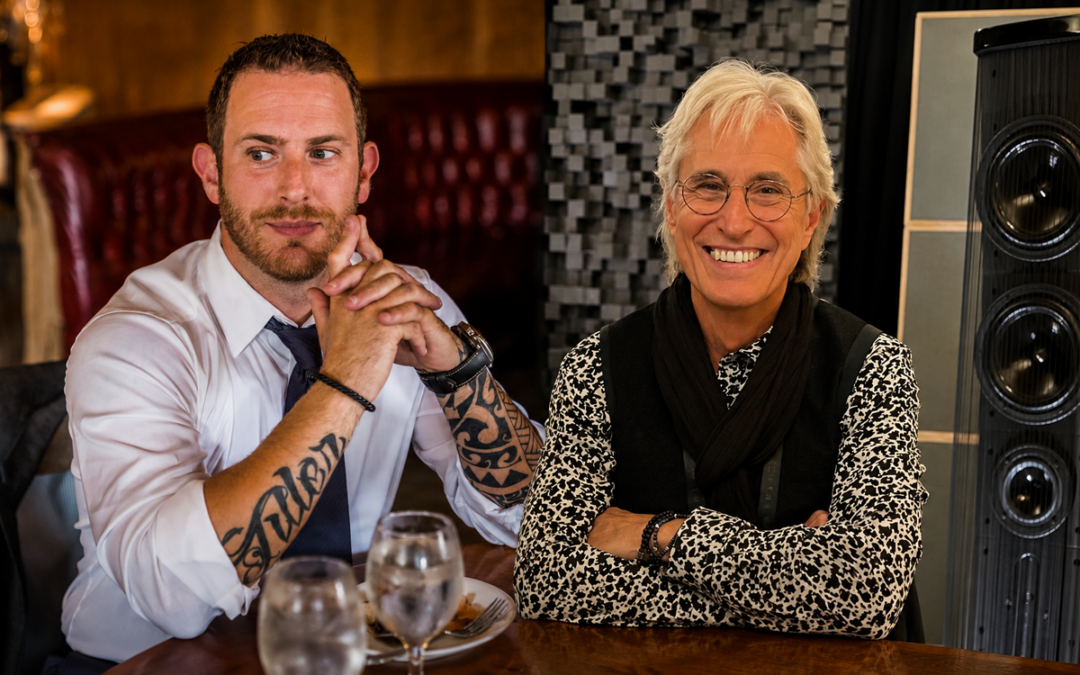
Sitting down to discuss the reemergence of stereo or two channel and the growing trend of analog rooms are Paul Bochner from AHT New York Metro, and Joesph Cali from Gryphon Audio LA.
How the Top Integrators See the Development of Analog Rooms
Cali says his business, Gryphon LA and his showroom in Los Angeles are seeing increasing interest from professionals visiting the Pacific Design Center, and homeowners coming into stereo from his integration firm, Joseph Cali Systems.
“My showroom is located at the Pacific Design Center in West Hollywood, which is nothing but architects and designers. I’m surrounded by furniture stores, lighting stores, fabric stores, and the people who are in the Pacific Design Center are not traditionally audiophile, two-channel listeners, but they have shown an incredible amount of interest when they come in and listen to music the way we are able to present it now,” explains Cali.
Bochner points out that as a member of the AHT team, the company has a national footprint, and Hi-Fi or dedicated audio rooms were not always a part of that dealer infrastructure.
He says that dealers are now asking the right questions and those questions are often directed at clients that are seeking more than architectural speakers hidden somewhere in a wall or ceiling.
Both Bochner and Cali cite several factors that are driving consumers back into stereo, including simply wanting to hear better audio.
“I just think that it’s the experience getting out there again. iPods and ear buds ruined the world for a while; [they] made it super convenient, but they also made people comfortable listening to music in a crappy form,” suggests Bochner.
“I think that’s what people are starting to get tired of … they are saying this could be better. I want it to be better, they’re getting an experience where they’ve had a better than average music listening experience, and they want to bring that to their homes now.”
To hear the entire conversation check out the latest episode of KMB Communications’ AV Trade Talk Podcast.
To hear past episodes of the AV Talk Podcast, click this link.