
It’s easy to become entranced by appearances. Take cars for example. Exotic high-performance cars are attention grabbers, but with that attention comes lots of TLC from their owners and mechanics that onlookers don’t see when those cars pull up to some black-tie event.
Taking that exotic car example to something more approachable for most people, cars can once again serve as an example.
Everyday drivers—think about the car in your driveway—and what it takes for those cars to operate as daily drivers. Sure, regular maintenance plays a huge part in these cars running reliably every day, but a part of these vehicles’ reliability comes from the partners these manufacturers work with to build those exotic cars and daily drivers.
To help these cars stop they could incorporate brakes from Brembo or to shift smoothly, they may utilize transmissions from ZF Friedrichshafen AG (ZF Transmission). Manufacturers that use these products are the who’s who of the automotive world such as BMW, Ferrari, Aston Martin, Chevrolet, and Audi to name a few.
Other industries such as the musical instrument (MI) market also foster similar partnerships. When someone buys a “Slash” signature model Gibson Les Paul, that instrument features pickups from the manufacturer Seymour Duncan.
Additionally, in the technology integration market, major brands such as Sony, TCL, and Hisense utilize the Google TV operating system (OS) in their respective television products to help ensure the reliability and user experience of their respective products.
Lighting, Motorized Shades Surge in Popularity
Released earlier this year, data from ResearchAndMarkets.com estimates the global automated blinds and motorized shades market will grow from a value of just over $4 billion in 2024 to nearly $6 billion by 2030.
Fueling this growth the study says will be the continued expansion of the technology integration industry, including smart home integration. Driving adoption in the commercial and residential technology industries are technologies such as Matter, ZigBee and Z-Wave wireless protocols, as well as voice control technologies.
Domestically, data from Mordor Intelligence values the U.S. automated blinds and motorized shades market at approximately $2.5 billion in 2025. By 2031 that figure the research firm says will reach just over $4 billion at a growth rate of 8.31% CAGR (compound annual growth rate).
The issue that arises from the motorized shades category growth that could damage long-term prosperity is the versatility and reliability of these shade products.
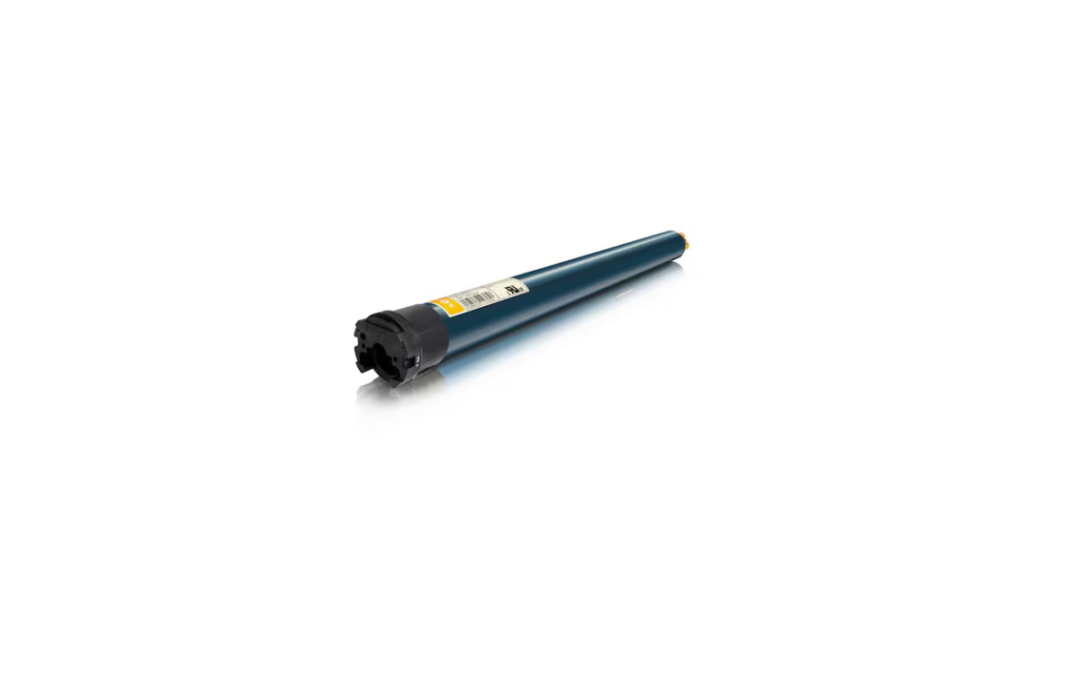
Tackling these problems head on are technology integration companies like Sonata Design. This Canadian provider of shade and automation systems relies on Somfy because of the brand’s performance, reliability and overall functionality.
““Let’s talk about Somfy. Somfy is one of our favorite brands for a number of reasons. One, of the 16 different brands we carry, 14 of them work with Somfy motors,” says Tyrell DaSilva of Calgary, Canada-based Sonata Design.
“They may have some other options in terms of the motorization of shades, but they all carry Somfy. Somfy is the biggest motor manufacturer in the world; they are a giant global, multi-national company, and even our exterior deck screens are powered by Somfy Motors.”
In a home or in a commercial business environment, homeowners and office managers may not know—or for that matter even care about what brand of motorized shades their property uses—but they understand that user friendliness, performance and reliability matter.
This is why dealers like Sonata Design are turning to products from manufacturers like Somfy.
“Somfy is a great brand for a variety of reasons,” emphasizes DaSilva in this YouTube video.
“The price of the motors is value driven you get great bang for your buck. Somfy has spent a lot of energy over the past several years, making their motors quieter and quieter.”
Here is more news from Somfy: Casambi and Somfy Partner to Advance Intelligent Lighting and Shading Ecosystems